The Performance Function owns the diagnostic architecture.
The client relationship, scope, evidence standards, project structure, synthesis, and quality expectations remain with the firm. Specialists may change by project; the standard does not.
The Performance Function helps organizations nationwide examine recurring performance problems, understand the conditions behind them, and choose changes they can measure.
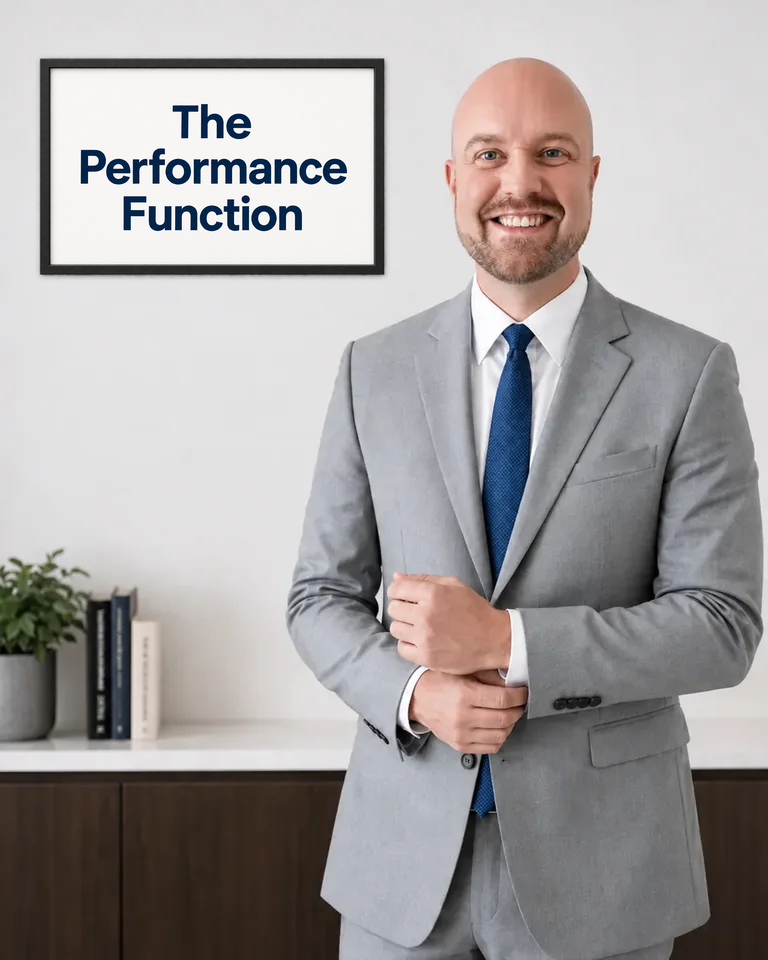
M.Ed., BCBA
Matthew’s background in behavior analysis and education informs The Performance Function’s approach to organizational performance: examine the conditions surrounding the work before recommending a change.
When delays, rework, or inconsistent execution keep returning, the diagnostic looks at how work is assigned, where handoffs break down, and what information people need to do the job. Findings are tied to observable outcomes so leaders can decide what to change and check whether it helped.
Matthew holds a Master of Education and is a Board Certified Behavior Analyst. Each consulting engagement is matched to the expertise the problem requires.
The client relationship, scope, evidence standards, project structure, synthesis, and quality expectations remain with the firm. Specialists may change by project; the standard does not.
No credential alone qualifies someone for an engagement. Matching considers the problem, industry context, comparable experience, measurement and data competence, client-facing capability, jurisdiction, security requirements, and any relevant licensing or professional restrictions.
Independent quality review tests evidentiary support, causal overreach, ignored alternatives, metric connection, scope, competence, and drift into advice outside the engagement’s professional boundaries.
We would rather decline work than stretch expertise beyond what the engagement requires.
Every project must have the appropriate specialist competence, methodology, insurance, legal authority, and quality-control standards behind it. Our capabilities can expand, but only when the infrastructure to support the work expands with them.
Say what the evidence supports, not what sounds strongest in a presentation.
Recommendations should be implementable in the client’s real operating environment.
Connect proposed changes to a metric and a way to verify whether they worked.
You do not need to know the cause before reaching out. That is the point of the diagnostic.